Show summary Hide summary
Do you really know where your power strip is safest? A few inches can mean the difference between staying cozy at home and battling an electrical fire.
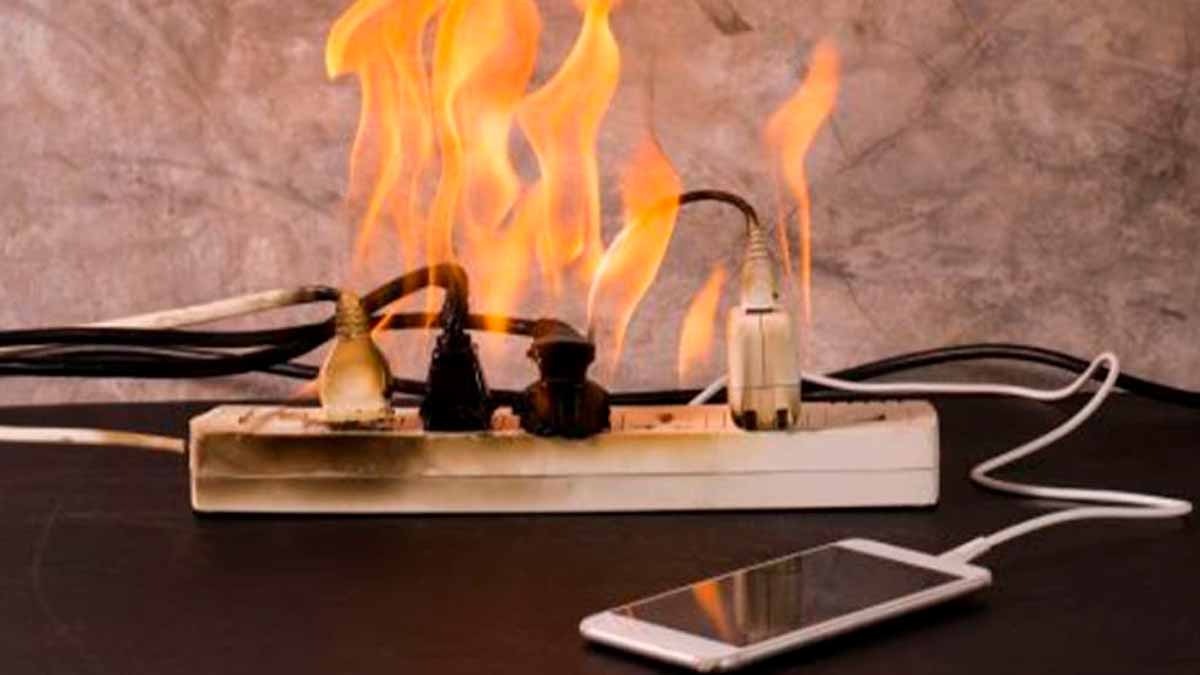
Every year, hundreds of house fires start with a simple mistake: placing a power strip in the wrong spot. Read on to discover how a small tweak can save lives.
Why under-the-desk placement puts you at risk
We all tuck away cables for a cleaner look, but hiding your power strip under a desk, behind furniture, or beneath a rug stops it from breathing. Heat builds up fast, plastics soften, and before you know it, sparks fly. What seems like a neat solution can turn into a dangerous trap.
I learned this the hard way: last winter, I found my strip under my home office desk glowing red. A brief power surge had turned it into a smoldering hazard. That moment taught me that safety isn’t just about choosing quality gear—it’s about where you place it.
Keep moisture away to prevent short circuits
Ever set your power strip near a window or bathroom sink “just in case”? Humidity and water droplets can sneak in, corrode the contacts, and spark a short circuit. An innocent spill or a humid draft is all it takes to ignite a blaze.
Last summer’s rainstorm caught me off guard. My strip sat on the windowsill charging devices when a sudden gust sent mist inside. Within seconds, I smelled burning plastic. Fortunately, I caught it in time, but it was a stark reminder that moisture and electricity are a recipe for disaster.
The hidden dangers of daisy-chaining and overloading
“Just one more device,” we all think, as we daisy-chain multiple power strips together. This common habit causes resistances to soar and wires to overheat. The more strips you add, the higher the chance of a malfunction that leads to an electrical fire.
Electricians advise: plug one strip per outlet—no exceptions. When you overload, you risk melted insulation, blackened walls, and worst of all, lives in jeopardy. Your home isn’t a toy; treat your wiring with respect.
High-wattage appliances belong on dedicated outlets
Microwaves, space heaters, air conditioners—these power-hungry machines can draw over 3,500 watts. Your average power strip simply can’t handle that load. Yet how many of us have nudged a heater “just for a few minutes” onto the nearest strip?
Consider this: a 1,200 W microwave plus a 2,200 W kettle far exceed most strip ratings. The result? Plastic casings warp, wires glow, and a fire can start in an instant. Always use dedicated wall outlets for heavy appliances.
Simple habits that keep your home safe
Turning off and unplugging your power strip when you’re done can cut fire risk by 70%. Yet only a fraction of households do it regularly. Make it a nightly routine—your future self will thank you.
Inspect your cords every month: look for cracks, burn marks, or stiffness. If you spot damage, toss the strip without hesitation. As my electrician friend Marc says: “A quick check now beats a late-night call to the fire department.”
Ready to make your home safer? Move that power strip to a well-ventilated, dry spot, avoid daisy-chaining, and dedicate proper outlets to high-wattage devices. Have you ever had a close call with a strip? Share your story in the comments and don’t forget to pass this article along to friends and family who need the reminder!